Nepal is a country of extraordinary natural beauty, ancient cultures, historic cities and warm hospitality. From the world's highest mountain, Mount Everest, to peaceful lakes, historic temples, traditional villages and national parks, Nepal offers an incredible variety of experiences within a relatively small country.
Whether you are planning your first visit to Nepal, looking for the best places to visit, interested in Nepali culture and food, or simply want to learn more about this beautiful Himalayan nation, this guide will help you understand Nepal and plan your journey.
🇳🇵 Why Visit Nepal?
Nepal is best known for the Himalayas, but there is much more to discover.
Visitors can experience snow-covered mountains, subtropical forests, ancient cities, Hindu and Buddhist temples, wildlife, traditional villages, colorful festivals and distinctive Nepali cuisine.
Some travelers come to trek in the Himalayas. Others visit Nepal for cultural experiences, wildlife safaris, meditation, adventure activities, photography or simply to enjoy the country's scenery and relaxed atmosphere.
One of Nepal's greatest attractions is its diversity. A journey through the country can take you from historic urban centers to mountain landscapes and from tropical lowlands to high Himalayan valleys.
🏔️ The Himalayas and Mount Everest
Nepal is home to eight of the world's fourteen mountains higher than 8,000 meters, including Mount Everest.
Mount Everest, known in Nepali as Sagarmatha, is the world's highest mountain above sea level. The Everest region attracts trekkers and mountaineers from around the world.
You do not need to climb Everest to experience the Himalayas. Trekking routes in different parts of Nepal offer spectacular mountain scenery and opportunities to experience local communities and traditional mountain life.
Popular trekking regions include:
- Everest region
- Annapurna region
- Langtang region
- Manaslu region
- Mustang
- Kanchenjunga
Each region has its own landscapes, communities and character.
🏙️ Kathmandu Valley
For many international visitors, Kathmandu Valley is the starting point for exploring Nepal.
The valley contains three historic cities:
- Kathmandu
- Bhaktapur
- Lalitpur (Patan)
Together, they are famous for their temples, courtyards, traditional architecture, festivals, crafts and cultural heritage.
Kathmandu
Kathmandu is Nepal's capital and largest urban center. It combines ancient religious and cultural sites with modern restaurants, hotels, shops and neighborhoods.
Important places to explore include:
- Kathmandu Durbar Square
- Swayambhunath
- Boudhanath
- Pashupatinath
- traditional neighborhoods and courtyards
Bhaktapur
Bhaktapur is renowned for its preserved historic architecture, traditional Newari culture, pottery, woodcarving and historic squares.
Bhaktapur Durbar Square, Nyatapola Temple, Taumadhi Square and Pottery Square are among the places visitors commonly explore.
The city is also well known for traditional foods and sweets, including king curd, commonly known as Juju Dhau.
Lalitpur (Patan)
Patan is famous for its metalwork, traditional crafts, Buddhist heritage and historic architecture.
Patan Durbar Square is one of the valley's important cultural attractions.
For visitors interested in architecture, religion, art and traditional Newari culture, exploring all three cities provides a much deeper understanding of Kathmandu Valley.
🌊 Pokhara
Pokhara is one of Nepal's most popular tourist destinations.
The city is known for Phewa Lake, mountain views and its relaxed atmosphere. On clear days, spectacular Himalayan peaks can be seen from viewpoints around the Pokhara area.
Popular experiences include:
- Boating on Phewa Lake
- Visiting the World Peace Pagoda
- Exploring Davis Falls
- Visiting caves and natural attractions
- Mountain-view photography
- Paragliding and other adventure activities
- Beginning treks in the Annapurna region
Pokhara is also an excellent place to experience a combination of nature, adventure and leisure.
🦏 Chitwan and Wildlife
Nepal is not only a Himalayan destination.
Chitwan, in the southern lowlands, is famous for its forests and wildlife. Chitwan National Park provides opportunities to experience a very different side of Nepal.
Depending on the season and conditions, visitors may encounter wildlife including:
- One-horned rhinoceros
- Bengal tiger
- Wild elephants
- Crocodiles
- Deer
- Numerous species of birds
Wildlife experiences should always be conducted responsibly, with respect for animals and their natural environment.
🪷 Lumbini: Birthplace of Buddha
Lumbini is one of the most important Buddhist pilgrimage destinations in the world.
Traditionally recognized as the birthplace of Siddhartha Gautama, the Buddha, Lumbini attracts pilgrims and visitors from many countries.
The Lumbini area includes monasteries representing different Buddhist traditions, gardens and important archaeological and religious sites.
For travelers interested in Buddhism, history and spirituality, Lumbini is an important destination to include in a Nepal itinerary.
🌿 Nepal's Natural Diversity
Nepal's geography changes dramatically over a relatively short distance.
The country can broadly be understood through three major geographical regions:
Himalaya
The northern mountain region contains some of the world's highest peaks and high-altitude landscapes.
Hills
The middle hills contain valleys, forests, terraced farmland, historic settlements and many of Nepal's major population centers.
Terai
The southern plains have a warmer climate and include fertile agricultural areas, forests and important wildlife habitats.
This geographical diversity is one reason Nepal offers such a wide variety of travel experiences.
🍛 Nepali Food You Should Try
Food is an important part of experiencing Nepal.
Dal Bhat
Dal bhat is one of Nepal's best-known meals. It generally consists of rice, lentil soup and accompanying vegetables, pickles and other side dishes.
Momo
Momo are steamed or fried dumplings that have become one of Nepal's most popular foods.
They may contain vegetables, meat or other fillings and are commonly served with a spicy dipping sauce.
Newari Cuisine
The Newar community of Kathmandu Valley has a particularly rich culinary tradition.
Newari cuisine includes a wide variety of dishes, snacks and festive foods.
Sel Roti
Sel roti is a traditional ring-shaped rice bread commonly associated with Nepali festivals and celebrations.
Gundruk
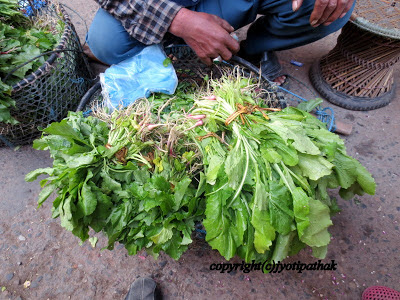
Gundruk is a traditional fermented leafy vegetable food and is an important part of traditional Nepali cuisine.
Nepal's food culture varies between communities and regions, so trying local dishes can be an enjoyable part of traveling through the country.
🎉 Festivals and Culture
Nepal is culturally diverse, and festivals are an important part of everyday life.
Major festivals include:
- Dashain
- Tihar
- Holi
- Teej
- Indra Jatra
- Buddha Jayanti
- Losar
- Bisket Jatra
- various local and ethnic festivals
Festival dates often follow lunar or traditional calendars, so they can change from year to year.
One of the best ways to understand Nepal is to observe how festivals bring families, communities, religion, music, food and traditions together.
🛕 Religion and Heritage
Hinduism and Buddhism have deeply influenced Nepal's history and culture. The country is also home to people following several other religious traditions.
Temples, stupas, monasteries, shrines and historic settlements can be found throughout the country.
Visitors should remember that many religious sites are active places of worship, not simply tourist attractions.
Dress respectfully, follow photography rules and observe local customs.
🗣️ Languages in Nepal
Nepali is the official language of Nepal, but the country is linguistically diverse.
Many different languages are spoken by communities throughout the country.
English is widely used in the tourism industry, particularly in hotels, restaurants, trekking businesses and major tourist destinations.
Learning a few simple Nepali expressions can nevertheless make interactions with local people more enjoyable.
For example:
Namaste — Hello / respectful greeting
Dhanyabad — Thank you
Kripaya — Please
💰 Money in Nepal
The official currency is the Nepalese Rupee (NPR).
In cities and major tourist areas, visitors can generally find banks, ATMs and money-exchange services. However, access to banking facilities can become more limited when traveling into remote mountain areas.
It is therefore sensible to plan your access to cash before traveling to remote destinations.
Exchange rates change, so check the current rate before exchanging money.
📱 Internet and Mobile Connectivity
Internet connectivity is widely available in Nepal's cities and tourist areas.
Hotels, restaurants and cafés in major destinations commonly provide Wi-Fi.
Connectivity can become less reliable in remote mountain regions. Trekkers should not assume that mobile or internet service will be available everywhere.
If staying in remote areas, prepare important information offline and make appropriate arrangements before leaving areas with reliable connectivity.
🚍 Getting Around Nepal
Travel within Nepal can involve roads, domestic flights and walking or trekking, depending on your destination.
Kathmandu and other major cities have local buses, taxis and ride-hailing options.
Tourist buses and private vehicles are commonly used for longer journeys between major destinations.
Remote mountain destinations may require a combination of road travel, flights and trekking.
Travel times can vary considerably because of road conditions, weather, traffic, construction and seasonal conditions.
Always check current transportation information before starting an important journey.
🌤️ Best Time to Visit Nepal
The best time to visit Nepal depends on what you want to do.
For many travelers, the autumn and spring seasons are popular because of generally favorable conditions for trekking and mountain views.
The monsoon period brings significant rainfall to many parts of Nepal. However, this does not mean the entire country should be avoided during the rainy season. Different regions experience different conditions, and some destinations can still be rewarding.
Winter can provide clear mountain views but can be cold, particularly at higher elevations.
Before traveling, check current weather and conditions for the specific region you plan to visit.
🥾 Trekking in Nepal
Trekking is one of Nepal's signature travel experiences.
Popular routes range from relatively accessible walks to demanding high-altitude journeys.
Before choosing a trek, consider:
- Your physical condition
- Trek duration
- Maximum altitude
- Weather conditions
- Accommodation
- Required permits
- Guide requirements
- Travel insurance
- Emergency arrangements
- Seasonal conditions
Altitude should always be taken seriously. Travelers going to high elevations should understand the symptoms of altitude sickness and follow appropriate acclimatization practices.
For difficult or remote treks, professional guidance can provide important safety support.
🧳 What to Pack for Nepal
Your packing list should depend on your destination and season.
For general travel, useful items may include:
- Comfortable walking shoes
- Light and warm clothing
- Rain protection
- Personal medication
- Sunscreen
- Reusable water bottle
- Power adapter
- Small daypack
- Identification and travel documents
- Copies of important documents
- Basic first-aid supplies
For trekking, your equipment requirements will be significantly different from those for a city holiday.
Avoid overpacking and choose clothing appropriate for the altitude and season.
📸 Responsible Tourism in Nepal
Travel can have a positive impact on local communities when visitors respect local people, culture and the environment.
Consider these simple principles:
- Respect religious customs.
- Ask permission before photographing people.
- Avoid littering.
- Reduce unnecessary plastic use.
- Respect wildlife.
- Support local businesses.
- Follow trekking and conservation rules.
- Avoid damaging historic sites.
- Treat local communities with respect.
Responsible tourism helps protect the places that make Nepal special.
🗺️ How Many Days Do You Need in Nepal?
There is no single perfect length of stay.
3–5 days
Suitable for a short introduction to Kathmandu Valley, or Kathmandu combined with another nearby destination.
7 days
Allows visitors to combine destinations such as Kathmandu and Pokhara, depending on transportation and interests.
10–14 days
Provides more time for Kathmandu Valley, Pokhara, Chitwan or Lumbini, with a more relaxed itinerary.
2–3 weeks or longer
A longer trip allows travelers to combine several regions or undertake a trek.
The best itinerary depends on your interests, travel season, budget and available time.
❤️ Why Nepal Is Special
Nepal is more than mountains.
It is the combination of mountains and valleys, ancient cities and modern communities, temples and monasteries, forests and farmland, traditional foods and modern cafés, festivals and everyday life that makes the country unique.
A visitor can watch the sunrise over the Himalayas, explore a centuries-old courtyard, eat traditional food, walk through a forest and meet people from very different cultural communities—all within the same journey.
For travelers willing to slow down and explore beyond the most famous attractions, Nepal offers countless stories and experiences.
Frequently Asked Questions About Nepal
Is Nepal a good destination for first-time travelers?
Nepal offers many different types of travel experiences, including cultural sightseeing, nature, adventure, wildlife and food. First-time visitors can choose an itinerary that matches their interests and level of experience.
What is Nepal famous for?
Nepal is particularly famous for the Himalayas and Mount Everest, trekking, Hindu and Buddhist heritage, historic cities, natural landscapes, wildlife and diverse cultures.
What should I eat in Nepal?
Popular foods to try include dal bhat, momo, Newari dishes, sel roti, gundruk and a variety of local pickles and snacks.
Is Nepal only for mountain trekking?
No. Nepal offers cultural tourism, heritage sites, wildlife, food tourism, spiritual travel, photography, adventure activities and relaxing city and nature experiences.
What are the most popular places to visit in Nepal?
Kathmandu Valley, Pokhara, Chitwan, Lumbini and the Himalayan trekking regions are among the country's well-known destinations.
What language is spoken in Nepal?
Nepali is the official language, while many other languages are spoken throughout the country. English is commonly used in tourism-related businesses.
What currency is used in Nepal?
Nepal uses the Nepalese Rupee (NPR).
Is Nepal suitable for family travel?
Yes. Families can choose cultural attractions, nature destinations, wildlife experiences and easier sightseeing activities. The suitability of trekking routes depends on the age, health and experience of individual family members.
Final Thoughts
Nepal is a country that rewards curiosity.
You can visit for the mountains and discover its food. You can come for the temples and discover its festivals. You can arrive for trekking and leave with memories of villages, landscapes and people.
Whether you are planning your first trip or simply want to learn more about this fascinating Himalayan country, Nepal has something to offer in every region.
Welcome to Nepal — a country of mountains, culture, heritage, nature and unforgettable experiences.
Explore More About Nepal
Continue exploring Wonderful Beautiful Nepal for guides and stories about:
Travel costs and sample budgets · UNESCO heritage sites · Culture and festivals · Fruits of Nepal · Momos
Travel information, entry requirements, transportation, weather, permits, fees and other conditions can change. Always verify current requirements with the relevant official authorities before making travel arrangements.


Comments
Post a Comment