Posts

Showing posts from December, 2011

Turmeric - Besar, Besar ko Dhulo - (बेसार)

Image
Turmeric  - Besar, Besar ko Dhulo - (बेसार) Used in nearly all Nepali dishes to add color and flavor, ground turmeric ( besar ) and fresh turmeric ( haledo ) are the most important spices in Nepali cuisine.  The plant is native to southeastern Asia (probably India) and is cultivated throughout the warmer areas of the world.  The plant belongs to ginger family and has a rhizome, which looks similar to fresh ginger but has short, round, finger-like stems and orange color.  Ground Turmeric Freshly dug turmeric Kathmandu market - A street vendor is carrying a kharpan - two large wicker baskets that is tied to the ends of a long bamboo pole.  The left basket  is lined with metal bowl, where ground turmeric are placed for sale, and on the right, ground cumin and red pepper are placed in a sack. Notice the vendor's clothes are all stained with turmeric powder.  Another farmer in the back is carrying on the shoulder a kharpan full of green vegetable -...

Sesame Seeds - Til - (तिल)

Image
Sesame Seeds - Til - (तिल) Sesame seeds are flat, small, oval seds that come from the annual tropical sesame plant.  They can be white, black, or various shades of brown.  White sesame seeds are shiny, slippery, and easy to crush and remain white even after cooking.  They are used mainly in desserts and bread preparations.  The black varieties have a strong, bitter taste and not used much in Nepali cooking, but they are considered sacred and are used in various religious ceremonies and rituals.  Light brown sesame seeds are much preferred and usually toasted to bring out nutty flavor. Sesame seeds - dry-roasted ground and whole seeds Close-up look of light brown sesame seeds A typical multi-purpose grinding stone in Nepal.  The seeds are lightly toasted and ground in Silauto to get correct consistency before adding to a dish.  This method is effective when grinding small quantities.

Saffron - Kesar or Keshar - केसर, ज़ाफ़रान

Image
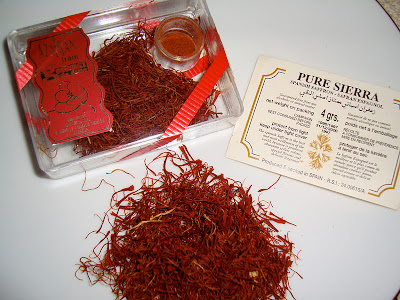
Saffron - Kesar or Keshar - केसर, ज़ाफ़रान The dried stigmas of the saffron crocus flower are known as saffron.  Each flower contains three bright red stigmas that are handpicked, an extremely labor-intensive process, making it one of the world's most expensive spices.  The stigmas are dried until they shrink into slender, delicate thread-like, strands with a bright orange-red color and delicate aroma. Pure Saffron - World's most expensive spice Close-up look - Saffron is used in small amounts to flavor Nepali dishes.  The threads are usually crushed and infused in warm liquids to extract their full aroma and flavor and to give even color to the dish. Saffron is available in strands and in ground form in an airtight container, dated and labeled with the source in Indian, Middle Eastern, and regular supermarkets. Good quality saffron has a strong pleasant flavor, and is light, glossy, and soft to touch.  Ground saffron loses its potency more quickly and can be easily a...

Radish Seeds - Mula ko Beu

Image
Radish Seeds - Mula ko Beu The dried edible seeds of the radish plant, radish seeds are reddish-brown in color with a pungent, sharp, and peppery taste, and a hint of radish flavor.  Close-up look of Radish seeds. Radish seeds are used in small quantities because of their overpowering taste and mainly as a pickling spice.  The seeds are used in the ground form and can easily crushed with a mortar pestle or spice grinder.

Poppy Seeds - Khus Khus, Aphim - (अफिम, खसखस)

Image
Poppy Seeds - Khus Khus, Aphim - ( अफिम , खसखस ) These small, dried, pale yellow, black or beige seeds comes from the capsules of the opium poppy.  They add crunchy texture and nutty flavor to any dish, and are especially popular as a topping for breads.   Picture of spice vendor in Kathmandu.  For the image of poppy seeds please check this site.

Peppercorns - Marich - (मरिच)

Image
Peppercorns - Marich - (मरिच ) One of the most widely used spices in the world, black pepper is also known as pipali in Sanskrit, which means "berry".  Black pepper has a very pungent, hot and biting taste.   Black peppercorns Crushed black pepper with the use of pepper mill (everyday kitchen gadget), whole black pepper and finely ground pepper Display of ground spice packets in Ason Tole, Kathmandu, Nepal. Dried long pepper from Nepal spice market.  Nepalese call it पिप्ला Pippla.  For more information for this long pepper check  Gernot Katzer spice page.  

Nigella Seeds - Mungrelo, Mugrelo - (मुग्रेलो, मुन्ग्रेलो)

Image
Nigella Seeds - Mungrelo, Mugrelo - ( मुग्रेलो , मुन्ग्रेलो ) Also known as black cumin, black onion seeds and kalonji , these are small, triangular, black seeds with rough surface and white interior.  They have a lingering flavor described as peppery, nutty, and bitter.  The whole seed is not very strong, but when crushed they have a distinct pungent flavor.  Close-up look of Nigella seeds. Nigella seeds are often confused with onion seeds, but they are quite different and should not be substituted. The seeds are usually fried or toasted to enhance their flavor, and cooked with meat, fish curries, vegetables such as pumpkins, and used extensively in pickles.

Mustard Seeds - Rayo or Sarysun - (तोरी, राई)

Image
Mustard Seeds - Rayo or Sarysun - ( तोरी , राई ) These small round seeds come from mustard plant, a common annual field crop.  They range from reddish-brown to dark brown color, but when crushed they are yellow on the inside.  They have a pungent, sharp flavor, but when fried in oil, they impart a mellow nutty flavor.   Preparing Nepalese pickles (achaar), the ground and coarsely ground mustard seeds are used, they are must have ingredients because of their wonderful preservative properties, which discourages mold and bacteria. Mustard Seeds bought at the Indian grocery store. In the above picture (L to R) crushed yellow mustard seeds, Dijon mustard, finely ground mustard, brown mustard seeds, Crushed brown mustard, dark-brown mustard seeds, and the center is pale-yellow mustard seeds Mustard seeds range from reddish-brown to dark brown in color.  Photo taken at Nepali spice markets. Yellow mustard seeds (sarsyan) are used to cook fish and are believed to eliminate...

Ginger - Aduwa or Adua - (अदुवा)

Image
Ginger - Aduwa or Adua - (अदुवा) Although fresh ginger is sometimes called ginger root, it is actually an underground creeping rhizome.  The attractive plant has long leaves, and grow up to three feet tall, forming rhizomes that are dug up from the ground as they mature.  Fresh ginger has cream to light brown colored skin with pale yellow flesh, and provides the freshest flavor and spicy biting taste. Fresh ginger in a wicker basket - most important spice in Nepali cooking. Young ginger rhizome - The attractive plant has long leaves, forming rhizomes that are dug up from the ground as they mature. New harvest - fresh ginger Friend's farm house in Nawalparasi, Nepal - watching the process of harvesting ginger - digging from the ground, separating, and drying in the sun. The villagers told me that Nepal is one of the top exporters of ginger rhizome in the world. Powdered ginger is convenient, but has a different flavor and I do not  substitute for fresh ...

Fenugreek Seeds - Methi ko Geda - (मेथी)

Image
Fenugreek Seeds - Methi ko Geda - ( मेथी ) An indispensable spice in Nepali cooking, these brownish-yellow rectangular seeds are very hard and highly aromatic.  The seeds have a very strong, unpleasantly bitter taste in the raw stage, but when cooked, they emit a wonderful aroma.   Fenugreek seeds are used in small quantities, and in many recipes, the whole seeds are first fried in oil to bring out the maximum flavor. Here in the picture (taken in Kathmandu), a street vendor is using a local measuring devise called maanaa and paathi to measure fenugreek seeds.  This metal handy tool is still used to measure rice, lentils, other grains, spices, and small fruits. I n the above picture fenugreek seeds are used whole, crushed and ground.  The seeds can also be soaked, sprouted, and used in salads or pickles.  The young and fresh green leaves (methi ko saag) of the fenugreek plant is also used in various ways.

Cumin Seeds - Jeera, Jira ko Geda - (जीरा)

Image
Cumin Seeds - Jeera, Jira ko Geda - (जीरा) Cumin seeds are gray green, oblong, ridged and thicker in the middle with pointed ends, somewhat resembling caraway or fennel seeds in appearance.  Cumin seeds are available either whole or ground at most supermarkets.  The flavor of ground cumin seeds loses its potency once it ages, so grind it fresh or purchase it in small quantities.  Close-up picture of cumin seeds - Ground cumin has a distinct, strong, and powerful flavor and should be used carefully in measured quantities; otherwise, it may dominate a dish. Cumin seeds are either used whole, ground, or lightly crushed, and are used extensively in Nepali cooking. Cumin seeds are an essential ingredients in Nepali spice blends.  The above picture was taken at Nepali spice markets.

Coriander Seeds - Dhania ko Geda - (धनियाँ)

Image
Coriander Seeds - Dhania ko Geda - ( धनियाँ ) The dried, ripe fruit of hardy annual plant from the parsley family, coriander seeds are beige or yellowish-brown in color, slightly smaller than peppercorns, with longitudinal ridges, that can be easily split into halves.  They have a very pleasant and sweet aroma, with a hint of citrus. Coriander seeds are a valued spice in Nepali cooking and extensively used as a flavoring agent in nearly almost all dishes.  The combination of cumin and coriander is one of the most common seasonings in Nepali cuisine.  In many recipes, both coriander leaves (cilantro) and seeds are used to create a wonderful flavor.  

Cloves - Lwang - (ल्वाङ्ग)

Image
Cloves - Lwang - (ल्वाङ्ग) The dried buds of tropical evergreen tree, cloves are reddish-brown in color with rounded flower head.  They are one of the most important Nepali spices, used both for culinary and medicinal purpose.  In Sanskrit, cloves are called deva kusuma meaning "the flower of the gods" or auspicious bud."  Cloves are either used whole or ground to flavor many Nepali dishes such as meat, poultry, vegetable stews, and rice, but rarely in sweet dishes.  When gently sauteed, the spice swells and releases a pleasant aroma. Aside from its culinary use, cloves are also used to freshen one's mouth.  Nepalese chew cloves throughout the day, alone or with green or black cardamom or cinnamon sticks and betel nuts.  Chewing cloves is certainly a cultivated taste, and at first, they can be bitingly sharp, hot, and leave a numb sensation in the mouth, but once you get used to it you enjoy the taste. A decorative bowl full of cloves  -  use...