Nepali Cuisine Guide: Traditional Foods, Regional Flavours and What to Try
Nepali cuisine is best understood as a collection of local food traditions rather than one fixed national menu. Geography, altitude, religion, ethnicity, farming and festivals all shape what appears on the plate. A meal in the Kathmandu Valley may centre on Newar specialities, while a mountain lodge serves buckwheat or barley, and a Terai kitchen highlights rice, pulses, seasonal vegetables and regional spice blends. This guide to Nepal food is a practical starting point for tasting that diversity respectfully and deliciously.
Key takeaways
- Start with dal bhat tarkari, the familiar everyday combination of lentils, rice, vegetables and achar.
- Look beyond the capital’s menus: Newari, Thakali, Himalayan, Madhesi and other community foodways each have their own character.
- Try momo, but also make room for gundruk, dhido, sel roti, bara, chatamari and yomari.
- Ask whether a dish contains meat, dairy, egg, ghee or fermented ingredients if you have dietary restrictions.
- Seasonings such as timmur, jimbu, fenugreek and sour chuk can make a dish taste distinctly Nepali.
What defines Nepali cuisine?
The Nepal Tourism Board describes food habits as changing from region to region, with Indian and Tibetan influences alongside traditions developed by Nepal’s many communities. Rice is a major staple, but it is not the only one: wheat, millet, buckwheat, barley, maize and potatoes are important in different landscapes. A typical meal may combine a grain with dal or another pulse, tarkari (vegetable curry), achar and sometimes meat or dairy. The balance, texture and level of heat can change substantially between households.
That variety is why “traditional food of Nepal” should not be reduced to a short list of famous dishes. Recipes are living practices, adapted to season, availability, festival and family. When ordering, ask how a dish is traditionally served in that particular place rather than assuming one definitive version.
Begin with dal bhat and everyday staples
Dal bhat tarkari is the most useful first meal for a visitor. It commonly brings together lentil soup, steamed rice, vegetables and achar; a set may also include greens, yoghurt, papad or a meat curry. Dal can vary, and the accompaniments are often the most revealing part of the meal. In many restaurants, you can request a vegetarian set, while a Thakali version may add a carefully arranged selection of sides and a distinctive spice profile.
For a change from rice, try dhido, a firm porridge made by cooking ground grain such as millet, buckwheat, barley or wheat flour in hot water. It is commonly served with soup, curry or achar. Roti and sel roti offer other ways to experience grain-based traditions: sel roti is a ring-shaped, lightly sweet rice-flour bread strongly associated with festivals such as Tihar, though it is also available outside the festive season.
Explore the Kathmandu Valley’s Newari table
Newari cuisine is one of the most distinctive food cultures to seek in the Kathmandu Valley. A Newa bhoj or a restaurant platter may include many small portions, allowing you to sample contrasting textures and flavours. Ask for bara (also called wo), a spiced lentil patty; chatamari, a rice-flour crepe that may be topped with egg, meat or vegetables; and samay baji, a celebratory assortment whose exact components vary.
Save room for yomari, a steamed rice-flour dumpling filled traditionally with chaku (molasses) or khuwa (milk solids). UNESCO’s 2025 account of Nepal’s safeguarding work notes that yomari was included in Nepal’s national intangible heritage inventory and is linked to Yomari Punhi and community knowledge in the Kathmandu Valley. It is a cultural practice as much as a sweet snack, so seasonal festivals or community events can offer especially meaningful context.
Try Thakali and western hill flavours
Thakali food comes from the Thak Khola area of Mustang and is now widely encountered in eateries across Nepal. A Thakali set usually builds on the dal-bhat format, with rice or sometimes dhido, lentils, vegetable sides, greens, achar and optional meat. The exact platter is restaurant-specific, so treat it as a family of related preparations rather than a single standardized recipe.
Western Nepal also offers chukauni, a potato-and-yoghurt preparation associated by the Nepal Tourism Board with Palpa and nearby districts. It can be served as a side, breakfast-style dish or accompaniment. Look for local pickles and sour elements as well: they sharpen a meal and show how preservation and seasonal produce influence Nepal food.
Follow the food towards the Himalaya and Terai
At higher elevations, barley, buckwheat, potatoes, noodles, soups and dried or preserved ingredients become more prominent. Himalayan kitchens may serve dhungre roti, a buckwheat pancake with a spicy dip, or warm soups alongside other local staples. Thukpa and momo are widely available in trekking centres, but recipes and fillings differ. Momo may be steamed, fried or served in a jhol (broth-like) sauce, with vegetable, cheese, paneer or meat fillings depending on the kitchen.
In the Terai and southern plains, food traditions include Madhesi, Maithili, Bhojpuri and Awadhi influences, among others. Rice, wheat breads, pulses, vegetables and fragrant spice combinations are common reference points, but the region is not one culinary block. A local market, family-run eatery or community food event is often a better guide than a generic “Terai menu.”
Small bites, ferments and flavours to seek
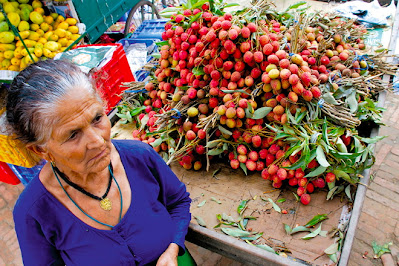
For snacks, look for sekuwa, grilled marinated meat usually served with beaten or puffed rice, and phulaura, a lentil fritter that may also be made with buckwheat flour. Gundruk ko jhol is a sour soup made from fermented and dried leafy greens; its flavour is savoury and tangy rather than simply hot. Lapsi, a fruit native to Nepal, appears as achar, candy or titaura, a chewy sour-sweet snack.
Ask about the seasoning, not just the dish name. Timmur gives a fragrant, tingling pepper note; jimbu is a dried Himalayan herb; methi means fenugreek; and chuk is a sour concentrate used in achar and chutney. These ingredients can vary in strength, so tasting a small amount first is sensible.
A practical tasting checklist
- First meal: order a vegetarian dal bhat or Thakali set to understand the grain, dal, sides and achar pattern.
- Valley stop: share bara, chatamari and a Newari assortment; add yomari when available.
- Snack round: compare steamed momo with jhol or fried momo, and try sel roti with achar or tea.
- Mountain flavour: seek dhido, buckwheat roti, gundruk or a local soup rather than relying only on noodles.
- Ask before ordering: confirm the filling, spice level, cooking fat and whether a dish is prepared with meat, dairy or egg.
- Eat thoughtfully: choose busy, well-kept establishments, drink treated water and follow local customs when eating in homes or religious settings.
Frequently asked questions
What is the most famous traditional food of Nepal?
Dal bhat tarkari is the most recognisable everyday meal, while momo is among the most widely encountered snacks. Neither represents every Nepali food tradition, so add a regional dish such as bara, dhido, gundruk or a Thakali set.
Is Nepali cuisine very spicy?
Some achar, chutneys and meat dishes can be hot, but spice levels vary by cook and region. Ask for mild, medium or hot, and taste the pickle separately before mixing it into the meal.
What can vegetarians eat in Nepal?
Vegetarian choices commonly include dal bhat, vegetable tarkari, bara, sel roti, dhido with vegetable sides, many momo fillings and gundruk soup. Confirm whether the kitchen uses ghee, butter, yoghurt, egg or meat stock if those ingredients matter to you.
Where should I try Newari food?
The Kathmandu Valley, including Kathmandu, Patan and Bhaktapur, is the natural place to look for Newari restaurants and community food experiences. Menus vary, so ask for a mixed Newari plate and learn what each item is.
Is yomari available all year?
It is especially associated with Yomari Punhi and related community celebrations, but some specialist restaurants and sweet shops serve it at other times. Availability is seasonal and local, so ask before planning around it.
Conclusion
The best way to discover Nepali cuisine is to eat across regions, not to chase a single “national dish.” Begin with dal bhat, then follow local recommendations towards Newari plates, Thakali sets, Himalayan grains, fermented greens, Terai breads and festival sweets. With a little curiosity about ingredients and community context, every meal becomes a more specific and memorable way to understand Nepal.

Comments
Post a Comment