A Comprehensive Guide to Fruits in Nepal: Nepali to English Translation and Market Guide
A Comprehensive Guide to Fruits in Nepal: Nepali to English Translation and Market Guide
Whether navigating the vibrant street markets of Kathmandu or exploring the diverse culinary landscape of the Himalayas, knowing local fruit names is essential. Nepal’s unique geography—ranging from the tropical Terai plains to the temperate hills and alpine mountain regions—supports an incredible variety of produce.
This guide provides a complete, SEO-optimized translation of common and exotic fruits found in Nepal, pairing their local Nepali names with English equivalents, alongside tips for shopping in local markets.
Complete Nepali to English Fruit Directory
Below is an expanded and up-to-date list of fruits available in Nepal, including traditional staples, wild-foraged berries, and newly popularized agricultural additions like kiwi and avocado.
| Nepali Name | English Name | Notes & Flavor Profile |
| Aanp | Mango | Cultivated widely in the Terai; extremely sweet during summer. |
| Ainselu | Raspberry / Golden Himalayan Raspberry | Found wild in the hills; yellow, red, or black varieties. |
| Alubukhara | Plum | Sweet and tart; commonly grown in the mid-hills. |
| Amalaa | Indian Gooseberry (Amla) | Highly medicinal, bitter-sour taste; rich in Vitamin C. |
| Ambaa / Ammaa | Guava | Crisp and sweet; often eaten with a pinch of chili salt. |
| Anaar / Daarim | Pomegranate | Sweet, ruby-red seeds; widely available in urban markets. |
| Angoor / Daakh | Grape | Both green and black varieties are common. |
| Anjir | Fig | Soft, sweet, and highly perishable when fresh. |
| Aru | Peach | Grown in temperate zones; sweet and juicy. |
| Bayar | Indian Plum / Jujube / Chinese Date | Sour when green, sweet and date-like when ripe. |
| Bel | Wood Apple / Bael | Hard outer shell; the pulp is used for refreshing summer juices. |
| Bhogate | Pomelo / Pummelo | A large, thick-rinded citrus often eaten as a spiced winter snack. |
| Bhuin Ainselu | Strawberry | Increasingly cultivated in areas like Nuwakot and Kakani. |
| Bhuin Katahar | Pineapple | Tropical fruit from the southern plains. |
| Bimiro | Citron | A large, ancient citrus fruit primarily used in religious rituals. |
| Chaaksi | Mild Orange | A localized sweet citrus variety. |
| Chutro | Barberry | A wild, tart Himalayan berry. |
| Chinia Naspaati | Chinese Pear | Crisp, water-rich, and apple-like in texture. |
| Dragon Fruit | Pitaya / Dragon Fruit | Modern addition: Widely cultivated recently in Nepal's tropical belts. |
| Ghiu Phal | Avocado | Modern addition: Translates to "butter fruit," booming in eastern Nepal. |
| Haade Bayer | Bead Plum | A smaller, wilder variant of the Indian Plum. |
| Haade Okhar | Thick-shell Black Walnut | Technically a nut, but commonly sold alongside fresh fruits. |
| Haluaabed | Persimmon | Bright orange, honey-sweet, and soft when fully ripe in autumn. |
| Jaamun | Black Plum / Java Plum | Deep purple, astringent-sweet fruit that turns the tongue purple. |
| Junaar | Sweet Orange (Junar) | Famous in the Sindhuli district; known for its rich, sweet juice. |
| Jyaamir / Nibua | Rough Lemon / Yellow Lemon | Highly acidic; primarily used for pickling and souring. |
| Kaagati | Lime (Green) | The standard culinary lime used in daily Nepali cooking. |
| Kaaphal | Bay-berry / Box Myrtle | A beloved, tart-sweet red forest berry available briefly in spring. |
| Kamarakh | Starfruit / Carambola | Modern addition: Crisp, slightly tart tropical fruit. |
| Kera | Banana | Available year-round; popular varieties include Malbhog and Chini Champa. |
| Khajoor | Date | Usually imported, but consumed widely during festivals. |
| Kharbooza | Musk Melon / Cantaloupe | A summer favorite in the Terai region. |
| Khurpaani | Apricot | Cultivated in the high mountainous regions like Mustang. |
| Kimbu | Mulberry | Black and red varieties; incredibly sweet but highly fragile. |
| Kiwi | Kiwi Fruit | Modern addition: Now heavily cultivated in the mid-hills (e.g., Dolakha). |
| Lapsi | Nepalese Hog Plum | Endemic to Nepal; highly sour, used for candies (titaura) and pickles. |
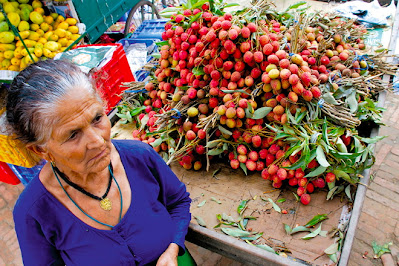
| Lichi | Lychee | Sweet, floral summer fruit; abundant in the Terai plains. |
| Loquat | Loquat | Small, yellow, tangy-sweet spring fruit. |
| Maushambi | Sweet Lime | Mildly sweet citrus favored for fresh-pressed juice. |
| Mayal | Wild Pear | A small, gritty, and tart wild variant of the pear. |
| Mewaa / Papitaa | Papaya | Tropical staple; eaten green as a vegetable or ripe as a sweet fruit. |
| Muntalaa | Kumquat | Tiny, fully edible citrus fruit with a sweet rind and sour center. |
| Nariwal | Coconut | Commonly used in religious ceremonies and traditional sweets. |
| Nashpaati | Pear | The local variety is often hard, crisp, and slightly tart. |
| Paiyun | Himalayan Cherry | Small, wild cherries native to the region. |
| Ram Phal | Custard Apple / Bullock's Heart | Creamy, sweet interior with a segmented exterior. |
| Rukh Kathar | Jackfruit | The largest tree-borne fruit; eaten unripe as a curry or ripe as a sweet fruit. |
| Sariphaa | Sugar Apple / Sweetsop | Similar to Ram Phal, with incredibly sweet, custard-like flesh. |
| Sati Bayar | Nepal Sumac | A tiny, pleasantly sour-sweet wild fruit. |
| Shayau | Apple | Mustang and Jumla regions produce Nepal's most famous, crisp apples. |
| Suntalaa | Tangerine / Mandarin | Famous loose-skin citrus; the Pokhara variety is highly prized. |
| Tarbooza | Watermelon | A hydrating summer staple. |
Navigating Nepal's Fresh Fruit Markets
Purchasing fruit in Nepal is a dynamic, sensory experience. From bustling wholesale hubs like Kalimati in Kathmandu to neighborhood street vendors, here is what you need to know:
Regional Specialties: Fruit quality often depends on regional sourcing. When shopping, look for "Pokhara ko Suntala" (loose-skin mandarins from Pokhara) during the winter, or "Mustang ko Shayau" (apples from the Mustang region) in the autumn. These regional tags are markers of premium quality.
Ready-to-Eat Street Fruit: In busy pedestrian areas like Ratna Park or Basantapur, it is common to find vendors selling freshly peeled and segmented pineapple (bhuin katahar), papaya (mewaa), and pomelo (bhogate). These are often served with a small packet of bire nun (black rock salt) mixed with chili powder to enhance the flavor.
Seasonal Foraging: Keep an eye out for seasonal, wild-foraged items that only appear for a few weeks a year. Kaaphal (bay-berries) in the spring and Ainselu (wild raspberries) are usually sold by local farmers in small woven bamboo baskets (doko) right on the pavement.
Medicinal and Unique Offerings: You will frequently encounter vendors selling Amalaa (Indian Gooseberry) and Lapsi (Nepalese Hog Plum). While Amalaa is often eaten raw for its immense health benefits, Lapsi is rarely eaten raw due to its extreme tartness; it is instead the primary ingredient for Madaa and Titaura (popular Nepali sweet, sour, and spicy fruit candies).
Nuts and Legumes: Though technically not fruits, vendors selling fresh fruits often roast and sell Badaam (local peanuts) nearby. Buying a paper cone of warm, freshly roasted peanuts is a staple market experience, particularly in the cooler months.
Pro-Tip for Travelers: Roman spellings of Nepali words can vary drastically by region (e.g., Suntala vs. Suntalaa, Aanp vs. Aamp). Use the phonetic names as a starting point, but always point, confirm, and bargain respectfully with the vendor when finalizing your purchase.

Comments
Post a Comment