Posts

Showing posts with the label Nepal

Nepal's LDC Graduation Postponed to 2029: What Changed and What It Means

Image
Quick answer: Nepal will not leave the UN's Least Developed Country (LDC) category on November 24, 2026 as previously scheduled. The UN General Assembly adopted a resolution by consensus in late October 2026 extending the preparatory period for Nepal and Bangladesh to November 24, 2029. Many older articles still show the 2026 date, which is now out of date. Published November 20, 2026 · Last updated November 20, 2026 · By the Wonderful Beautiful Nepal editorial desk Key facts Old date: November 24, 2026, set by a General Assembly decision in November 2021. New date: November 24, 2029, under resolution 81/L.8, adopted by consensus. Request: Nepal formally asked for the extension on May 13, 2026. Bangladesh made a separate request. History: Nepal has been on the LDC list since 1971. Unusual case: Nepal was on course to become the first country to graduate without meeting the income criterion, according to its own planning documents. What is at stake: LDC-specific trade pref...

Nepali Culture and Traditions: Festivals, Food and Etiquette

Nepal is far more than the home of Mount Everest. It is a vibrant living museum where ancient heritage, diverse ethnicities, and deep-rooted spirituality converge. For the modern traveler or culture enthusiast, understanding Nepali culture and tradition is the key to unlocking a truly transformative experience. This guide introduces Nepal’s festivals, religious traditions, food and everyday etiquette. Customs vary by community, region and household; ask your host when you are unsure. 1. The Harmony of Faith: Hinduism and Buddhism One of the most remarkable aspects of Nepal is the seamless blend of Hinduism and Buddhism . Unlike many parts of the world, these religions do not just coexist; they overlap. Syncretism at its Best: You will often find Hindu shrines inside Buddhist stupas and vice-versa. Deities like Seto Machindranath are worshipped by followers of both faiths. The Living Goddess (Kumari): Unique to the Kathmandu Valley, the tradition of the Kumari —a young girl worship...

Fruit Markets in Nepal: Local Names and What to Look For

Image
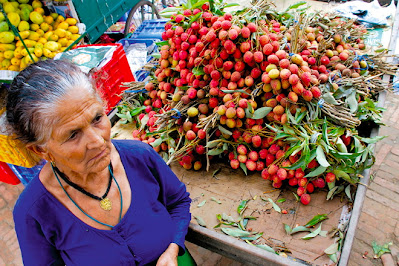
Use this guide to recognise fruit names you may hear in Nepal’s markets. For a longer alphabetic reference, see our fruit names in Nepali and English . Availability depends on region and season, and the same name may be spelled differently in Roman letters. Nepal’s diverse topography—ranging from the tropical Terai plains to the temperate mid-hills—creates a unique haven for a staggering variety of fruits. Whether you are wandering through the bustling markets of Asan or trekking through the terraced hillsides, the local "Phalphul" (fruits) offer a vibrant explosion of flavour and local food culture. Below is a comprehensive guide to the most common fruits found across Nepal, categorized by their Nepali names and English equivalents. The Essential Nepali Fruit Directory Nepali Name English / Common Name Notes Aanp Mango Known as the "King of Fruits" in the Terai. Ainselu Golden Himalayan Raspberry Wild-grown and highly prized in the hills. Alubukhara Plum Often used...

Fruits of Nepal: Common Names in Nepali and English

Image
Looking for fruit names in Nepali and English? This list pairs common Nepali names, such as kera (banana), aanp (mango) and lapsi (Nepalese hog plum), with English equivalents and market photographs. Roman spellings and local names vary by region. Use the names as a starting point and confirm the fruit with the seller when shopping. Lists of most common fruits of Nepal (Nepali-English) (Phalphulharu) Aanp - Mango Ainselu - Raspberry (yellow, red, black) Alubukhara - Plum Amalaa  - Gooseberry Ambaa or Ammaa - Guava Anaar - Pomegrante Angoor - Grape Anjir - Fig Aru – Peach Bayar - Indian Plum, Chinese Date Bel - Wood Apple Bhogate -Pummelo, Pomilo Bhuin Katahar – Pineapple Bimiro – Citron Chaaksi -  Mild Orange Chutro – Barberry Chinia Naspaati – Chinese Pear Daakh – Grape Daarim – Pomegranate Haade Bayer - Bead Plum Haade Okhar - Thick-shell black walnut Haluaabed - Persimmon Jaamun – Black Plum, Java Plum Junaar - Junar Orange Jyaamir - Lemon (very...

Bauhinia and Potato Salad Pickle (Koirala ko Phool ra Aloo ko Achaar)

Image
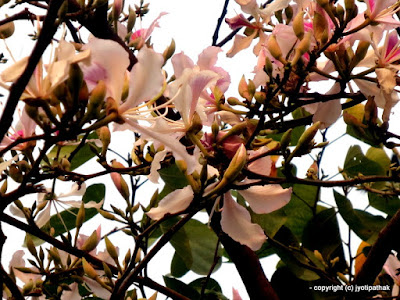
  Bauhinia and Potato salad (Koiralo ko Phool re Aloo ko Achaar - (कोइरालोको फुल र आलुकोअचार) A quick and simple guide to help you all enjoy a well-loved, edible flower called, Koiralo (कोइरालो) or Bauhinia .  It is used as an exotic spring delicacy. Koiralo tree is in full bloom in the Spring time (February-March) in Nepal  Koiralo ko Phool (seto-raato ) - Bauhinia   - local name: कोइरालो Common Name - Mountain Ebony, Camel's foot, Orchid tree, Kanchanara (Sanskrit), Kachnar (Hindi) Botanical Name - Bauhinia Variegata L. Useful parts: Flower, Bark, Roots Family: Caesalphiniaceae Koiralo ko Phool (कोइरालो को फुल),  or Mountain Ebony, is the edible flowers of the Bauhinia tree. The flowers and un-opened buds are collected from the tree and cooked as a delicious vegetable, made into salad-like dish or pickles. It is a popular spring flowers and has become integral part of Nepali cuisine, where it has been consumed for centuries. ...

About Nepal Narayanhity Durbar | Royal Palace

Image
About Nepal, Narayanhity Durbar, Royal Palace It is a hard earned poverty: Let everyone know! Prithvi Narayan Shah, in his lessons for his fellowmen once said “It isn't an easily earned nation, let everyone know”. we've neither forgotten his teachings nor rested on our laurels, although what we've added to our list of achievements may be a far more formidable and unique thing that we believe the planet should appropriately envy us for―abject poverty and backwardness. Any citizen of the planet on a mean earns about $11,640 and other people round the world are reeling under the pressure caused by increasing wealth and prosperity. Whereas, it seems, we've laboriously worked to stay our income under $1300 and also keep any shreds of prosperity cornered . The world may wonder, how have we managed to realize such poverty despite all the pressures but there aren't many secrets for our success― although it does take an incredibly hard effort to try to ...

Festivals of Nepal : Indra Jatra (God of Rain)

Festivals of Nepal : Indra Jatra (God of Rain) This festival is celebrated to honor Lord Indra, the God of rain. It is celebrated for 8 days, mainly in the Kathmandu Durbar Square, and was started by King Gunakamdev after setting the city of Kathmandu in the 10th century. Kumari Rath Yatra was later added to the celebration in the 18th century. The history behind the Indra Jatra festival states that when Lord Indra was fetching night jasmine from Kathmandu for his mother, he was captured and held captive by the locals. Once they realized they had captured Lord Indra, they were scared and immediately released him. Indra’s mother blessed the city for releasing her son. It is believed that Kathmandu receives enough dew even in winter months for cultivation because of the blessing. The different parts of the procession are the reenactment of this story like Dagin (Indra’s mother frantically searching for her son around the city) and Pulu Kisi (a dance depicting Indra’s e...