Fruit Markets in Nepal: Local Names and What to Look For
Use this guide to recognise fruit names you may hear in Nepal’s markets. For a longer alphabetic reference, see our fruit names in Nepali and English. Availability depends on region and season, and the same name may be spelled differently in Roman letters.
Nepal’s diverse topography—ranging from the tropical Terai plains to the temperate mid-hills—creates a unique haven for a staggering variety of fruits. Whether you are wandering through the bustling markets of Asan or trekking through the terraced hillsides, the local "Phalphul" (fruits) offer a vibrant explosion of flavour and local food culture.
Below is a comprehensive guide to the most common fruits found across Nepal, categorized by their Nepali names and English equivalents.
The Essential Nepali Fruit Directory
| Nepali Name | English / Common Name | Notes |
| Aanp | Mango | Known as the "King of Fruits" in the Terai. |
| Ainselu | Golden Himalayan Raspberry | Wild-grown and highly prized in the hills. |
| Alubukhara | Plum | Often used in tangy chutneys and pickles. |
| Amalaa | Indian Gooseberry | A sour fruit used in pickles and preserves. |
| Ambaa / Ammaa | Guava | Crunchy and sweet, often served with chili salt. |
| Anaar / Daarim | Pomegranate | Symbolizes prosperity; known for its deep red seeds. |
| Angoor / Daakh | Grape | "Daakh" often refers to the dried raisin form. |
| Anjir | Fig | Both wild and cultivated varieties exist. |
| Aru | Peach | Thrives in the temperate climate of the mid-hills. |
| Bayar | Indian Plum / Jujube | Becomes incredibly sweet and musky when ripe. |
| Bel | Wood Apple | Recognised by its hard outer shell. |
| Bhogate | Pummelo | The giant of the citrus family; a festival favorite. |
| Bhuin Katahar | Pineapple | Literally "Ground Jackfruit." |
| Bimiro | Citron | Essential for the Tihar festival rituals. |
| Haluaabed | Persimmon | A seasonal delicacy with a honey-like texture. |
| Junaar | Sweet Orange | Specifically famous from the Sindhuli district. |
| Kaaphal | Box Myrtle / Bayberry | A beloved wild berry that signals springtime. |
| Kera | Banana | Varieties range from tiny "sweet" ones to cooking plantains. |
| Lapsi | Nepali Hog Plum | Popular in Nepal; used for "Titaura" (spicy candy). |
| Mewaa | Papaya | Often sold pre-peeled by street vendors. |
| Rukh Kathar | Jackfruit | The "Tree Jackfruit," massive and meaty in texture. |
| Suntalaa | Tangerine / Mandarin | Famous "Pokhara ko Suntala" are prized for their sweetness. |
| Shayau | Apple | Grown in regions including Mustang and Jumla. |
New Additions to the Nepali Palette
To broaden our list, here are a few more varieties you will encounter in local markets:
Katus (Chestnut): Often roasted and sold as a winter snack in the hilly regions.
Shareepha (Custard Apple): Known for its creamy, grainy white flesh and black seeds.
Dragon Fruit: A recent agricultural success story in Nepal, now widely farmed in the lower regions.
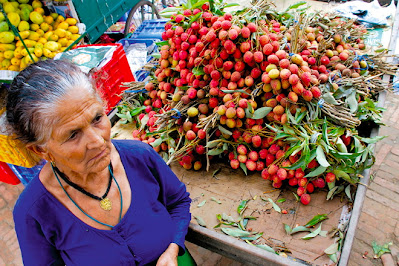
Visualizing the Harvest
The Citrus Gems of the Hills
In the heart of Kathmandu, you’ll find vendors specializing in Suntala (mandarins). Unlike the thick-skinned oranges found elsewhere, these are "loose-skin" varieties—incredibly easy to peel and bursting with a sweet, tangy juice. Alongside them, you might see the Bimiro (Citron) and Nibua (Yellow Lemon), which are staples for pickling and religious ceremonies.

The Wild Berries: Ainselu and Kaaphal
One cannot discuss Nepali fruits without mentioning the wild harvest. Ainselu (yellow raspberries) and Kaaphal (bayberries) are rarely farmed commercially; instead, they are gathered by locals from the forests and sold in small leaf-wrapped bundles (Tapari).

The Versatile Lapsi
The Lapsi (Hog Plum) is perhaps the most "Nepali" fruit on this list. It is tart and sour, rarely eaten raw but transformed into a variety of pickles, savory sauces, and the famous sweet-and-spicy "Titaura" snacks that are a favorite among locals and tourists alike.

From Farm to Street: The Vendor Culture
The charm of fruit in Nepal isn't just in the taste, but in the experience. Whether it's the peanut vendors near Basantapur posing for a photo with their roasted Badaam, or the roadside sellers meticulously peeling Mewaa (papaya) for a quick snack, the connection between the land and the people is palpable.
Buying fruit at a market
- Ask the seller to name the fruit and explain whether it is ripe or usually cooked.
- Confirm whether the price is per piece, bunch or kilogram before buying.
- Choose intact produce and wash it with safe water before eating. When drinking water quality is uncertain, peel fruit yourself with clean hands and utensils.
- Ask permission before photographing vendors or their stalls.
Continue with our Nepal budget guide and culture and etiquette guide.


thanks for great information
ReplyDelete